Time tracking software is a necessary tool in the modern digital workplace because it helps to keep the productivity and to hold individuals accountable. With a further influx of businesses going remote and hybrid, it is important that the necessary equipment is in place to manage and streamline time to perform. Nevertheless, so many time tracking software exists in the market, which one do you select that fits best in your team?
This blog will look into the main characteristics time tracking software must possess to improve workflow, performance of the team and optimize its activity. We shall also examine some of the most popular tools in the market such as TrackLively, Hubstaff, Time Doctor and Clockify and reasons why TrackLively tends to be the best to most teams, as far as feature set and overall value is concerned.
1. Real-Time Time Tracking: Transparency and Accuracy
The basis of any time tracking software is that it has the capability of tracking time correctly. Real time time tracking enables employees to record the amount of time worked in real time, giving the manager real time data on productivity. This openness keeps the teams focused, as well as allows accountability without micromanagement.
Why it matters: Real-time tracking will make sure that the data accurately represents the real work hours, and will give real-time information on how the time is used at various tasks.
Example: Applications such as Hubstaff and TrackLively enable one to clock in and out with ease at the same time recording work hours. This will enable the businesses to avoid the manual error and the managers get accurate data to make better decisions on workload distribution.
Key Benefit: Real-time information on the productivity and performance of the team.
2. Productivity Analytics: Make Data-Driven Decisions
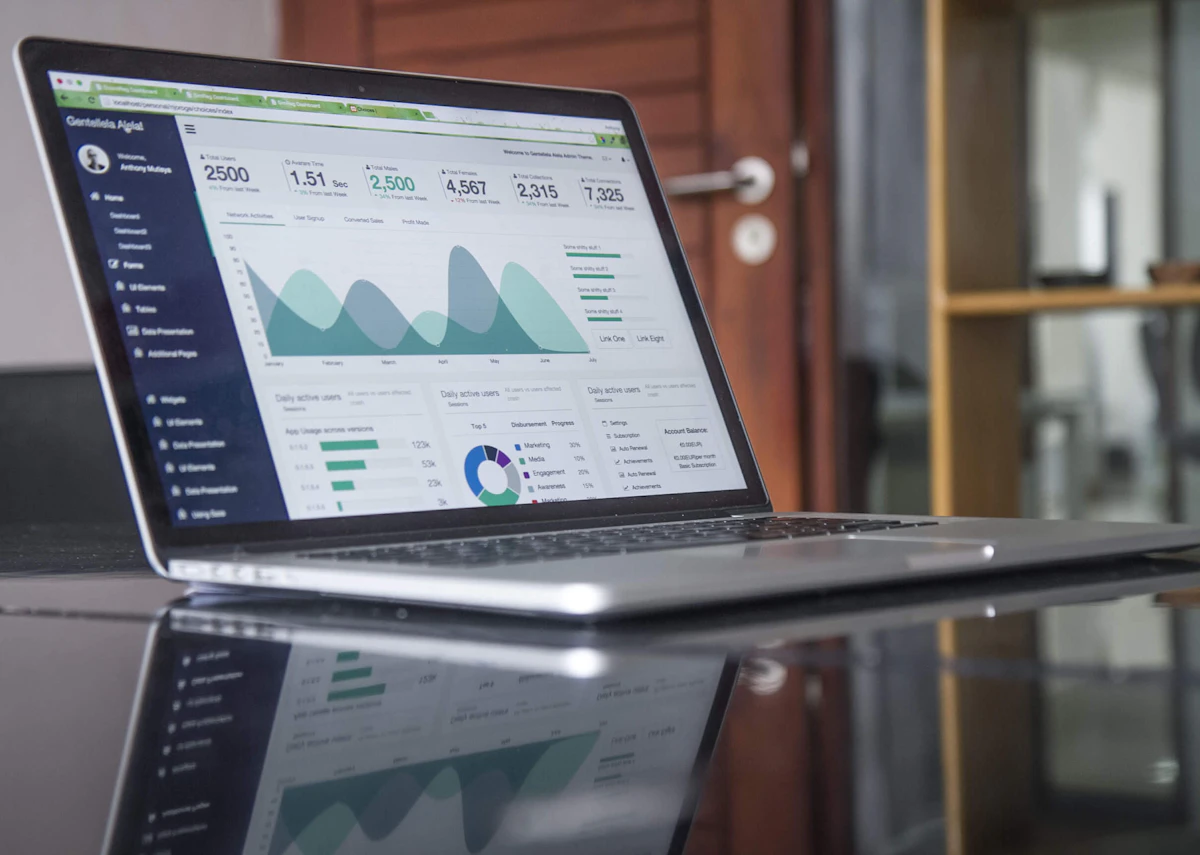
Although time tracking is of essence, it is more important to know what is done with the time. Productivity analytics provide the manager with the tools required to streamline the work process, distribute resources efficiently and place investments in the areas where there is room to improve.
Why it matters: The time spent on a number of tasks could assist the businesses identify the bottlenecks, enhance the efficiency of the employees and determine whether the resources are utilized properly.
Example: The types of programs such as TrackLively and Time Doctor can provide comprehensive productivity information, such as the focus time tracking and detailed reports of how the time is being spent. Such data assists teams in making necessary adjustments and creates the culture of constant enhancement.
Key Benefit: Assists teams to recognize inefficiencies and make changes to enhance productivity.
3. Activity Monitoring with Screenshots: Accountability Without Micromanagement
Activity tracking with the periodic screenshots is one of the most controversial characteristics of employee monitoring software. Although this may play out in making employees remain focused, it is noteworthy that the feature should be adopted in a manner that is both ethical and transparent.
Why it matters: Activity monitoring gives the managers an insight into the way employees are utilizing their time, especially when working remotely where direct supervision cannot be practiced. Periodic screen shots can be used to ensure that time taken is matched with productive work.
Example: Time Doctor as well as TrackLively have optional screenshot capture, which provides managers with a view of what the employee is doing, without compromising on transparency. These tools are used to give random, non-invasive screenshots without interfering with the workflow of the employees and offer accountability.
Key Benefit: This gives the managers visibility without being obtrusive, thus focusing on the productivity.
4. Idle Time Detection: Optimize Focus and Prevent Distractions
One of the most significant features of time tracking software which people tend to ignore though is idle time detection. This feature identifies the idle time of an employee, either when one is not present at his desk or not working on the task at hand.
Why it matters: Tracking of idle time is used to determine when employees are not engaged or distracted and the managers are able to note down the problems before they escalate into bigger problems. It also helps in making certain that time spent in doing things is productive.
Example: Some tools such as TrackLively and Hubstaff automatically identify idle time and are capable of sending alerts or reminders to employees to keep at work. This aspect promotes time management and minimizes chances of time wastage during the process of working.
Key Benefit: Assists employees in remaining on track and minimizes any distractions.
5. Integrations with Other Tools: Streamline Your Workflow
In the case of businesses that require the use of multiple tools to oversee their projects, it is essential that the time tracking software could be easily integrated in the rest of the systems. Project management, communication and payroll tools integration may serve to establish a more unified workflow and less manual data entry.
Why it matters: Time tracking can be used with other business tools, which will help the teams to organize their work and waste less time on administration. It guarantees that the time data is automatically synchronized with the project progress and billing data.
Example: TrackLively will be connected with such popular tools as Trello, Asana and Slack where teams can manage tasks, collaborate and track time without switching between platforms. Likewise, Clockify can be combined with project management software and Google Calendar to enable businesses to be organized.
Key Benefit: Integrate your time tracker with your current working process without any difficulties.
6. Ethical Monitoring Features: Respect Privacy and Build Trust
Although time tracking is relevant, it is essential that the aspects of monitoring be applied in an ethical manner. The employees also need to be assured that their privacy is not violated and that any kind of data obtained is utilized in an open manner.
Why it matters: Ethical monitoring fosters trust between the employees and the managers. Positive working environment can be developed by having clear communication on what and why it is being tracked.
Example: Both TrackLively and Time Doctor are privacy-first companies because they provide employees with control over their information and ensure that the software only gathers privacy-non-invasive information.
Key Benefit: Provides a clear atmosphere in which employees and managers feel free and trusting.
Conclusion: Why TrackLively Stands Out in Time Tracking Software
In terms of time tracking software it is necessary to search a tool that would provide the appropriate balance of functions, data privacy and accessibility. Although such tools like Hubstaff, Time Doctor and Clockify have their advantages, TrackLively is one of the best solutions to numerous businesses because of such balance of transparency, simplicity and powerful analytics. When a business selects the appropriate time tracking software, it is able to enhance productivity, accountability and standardized workflow in addition to promoting trust and respect among employees of the organization.